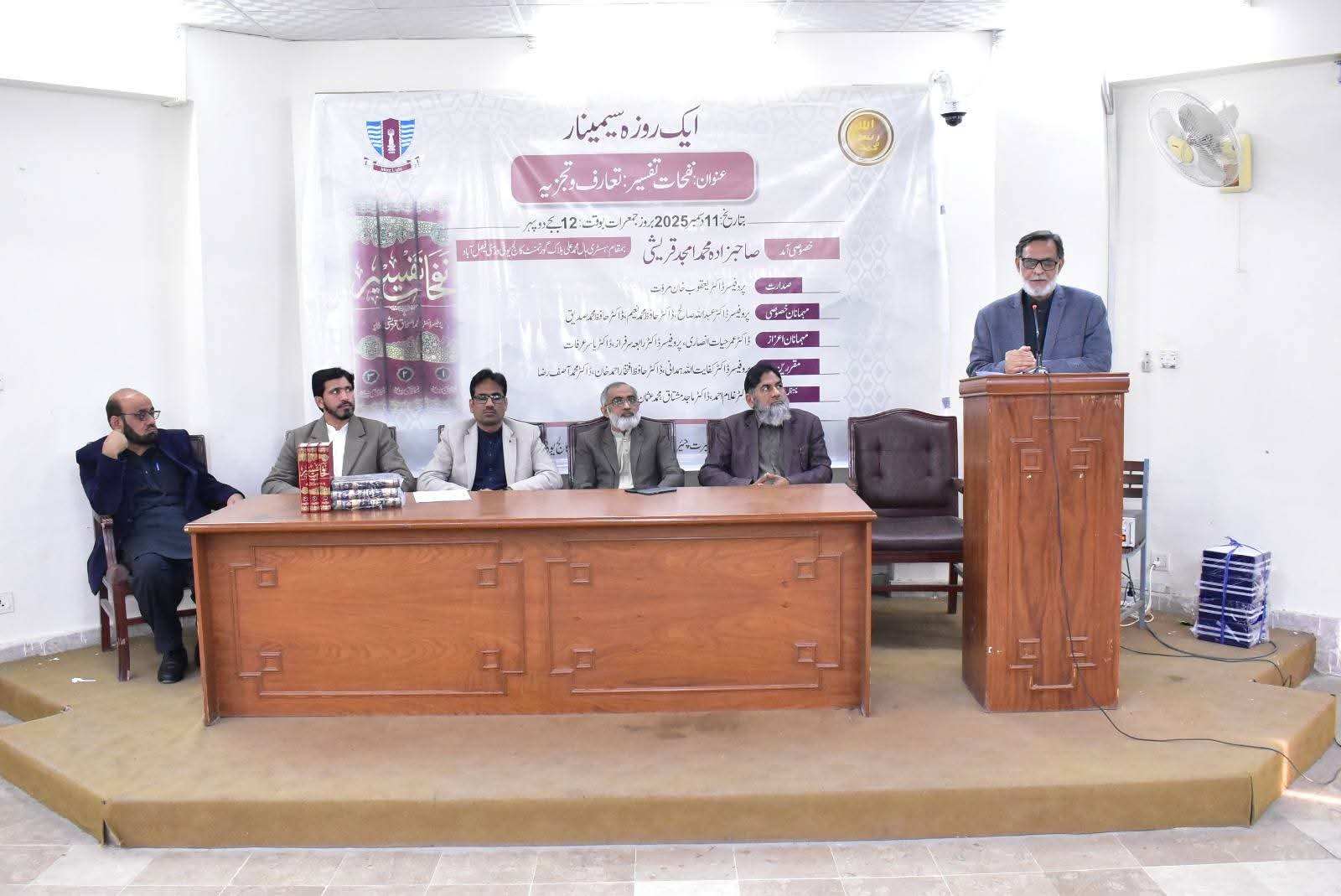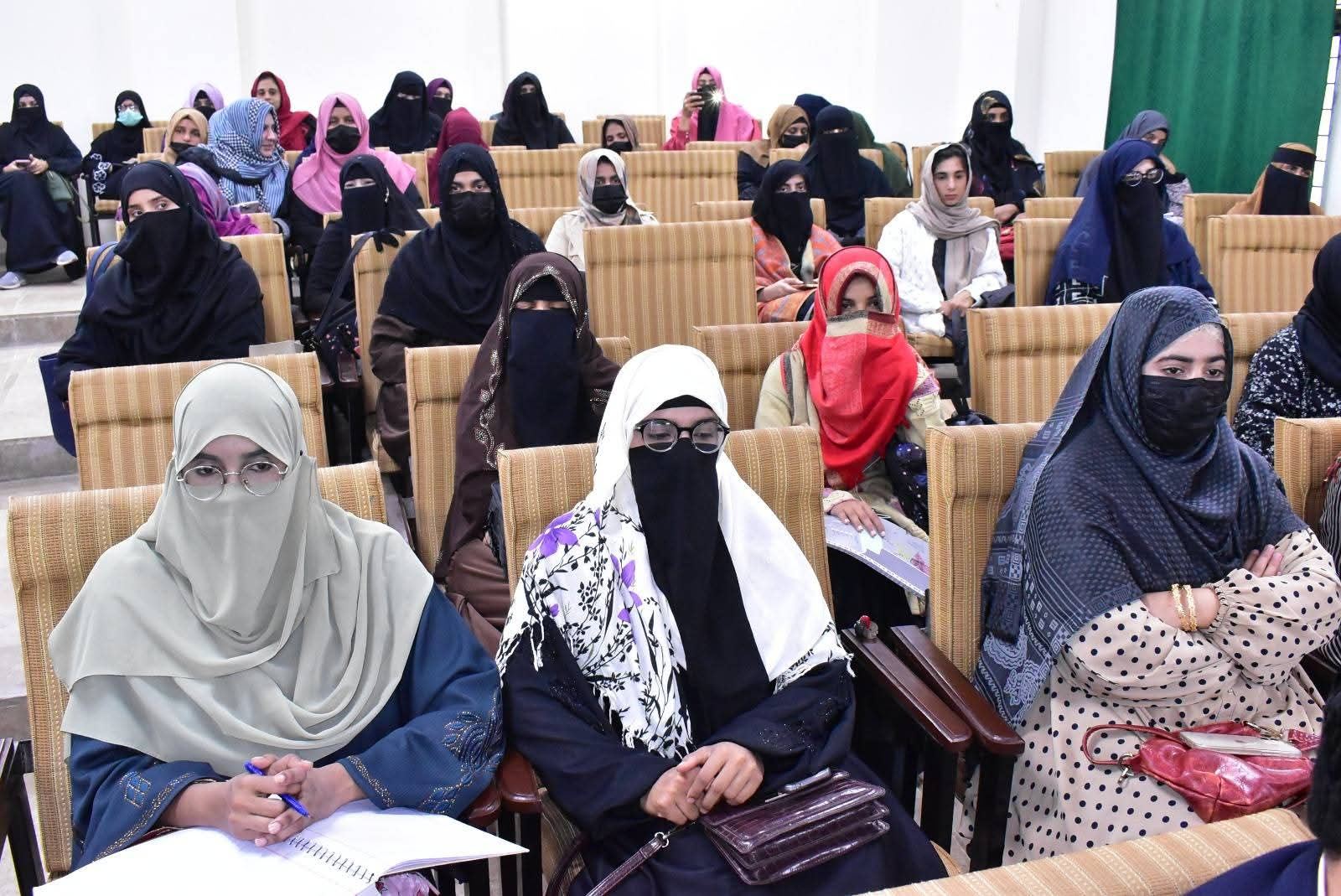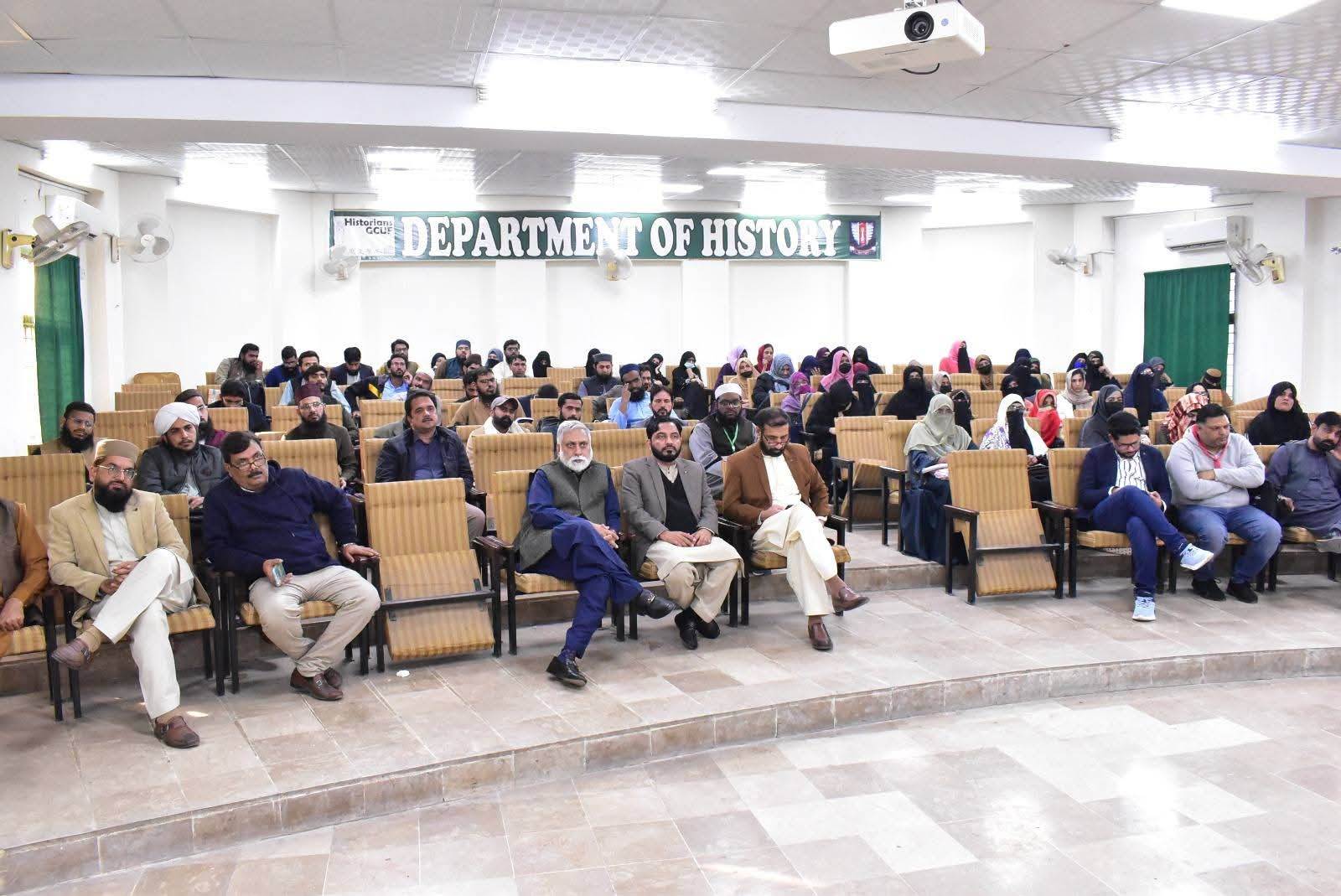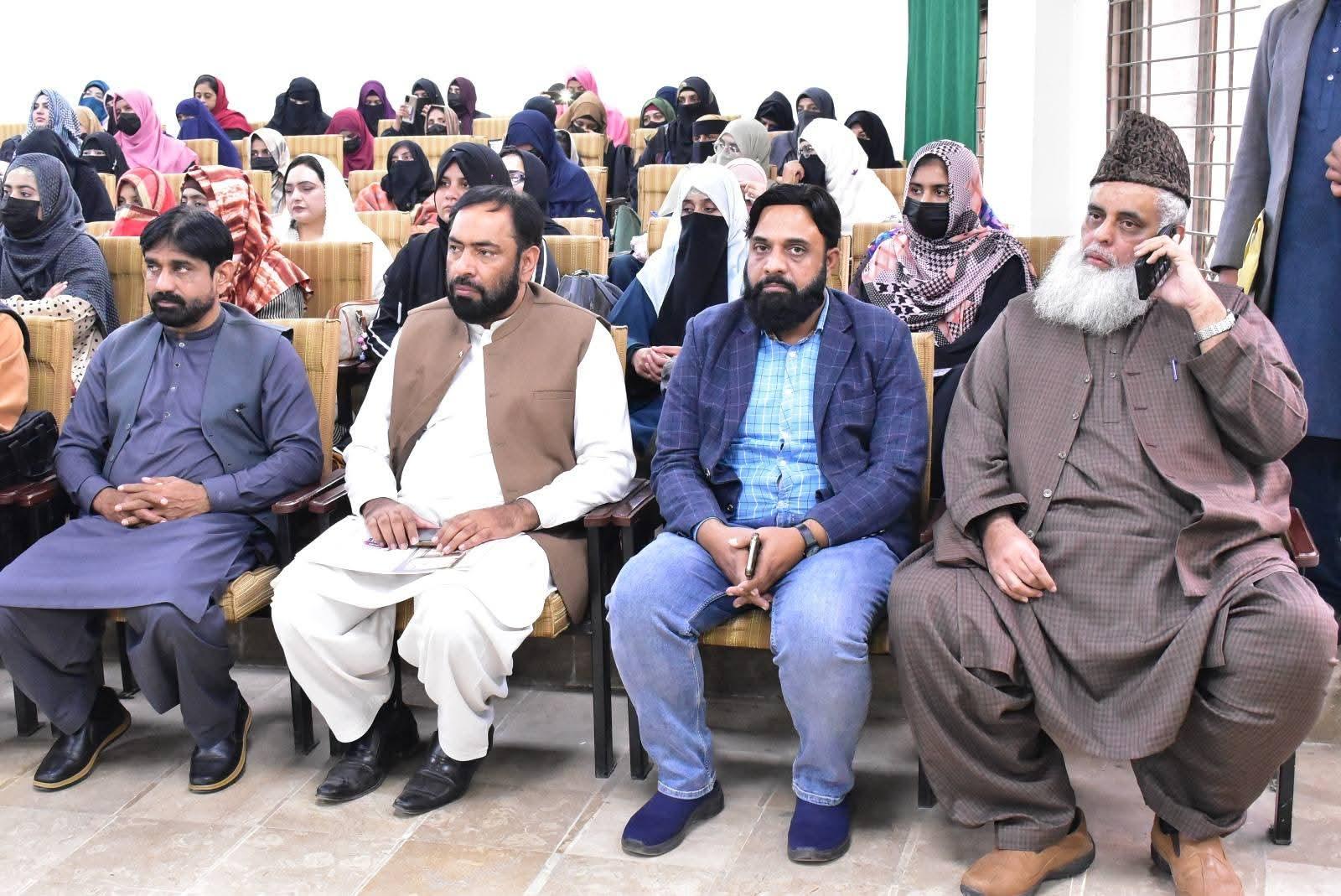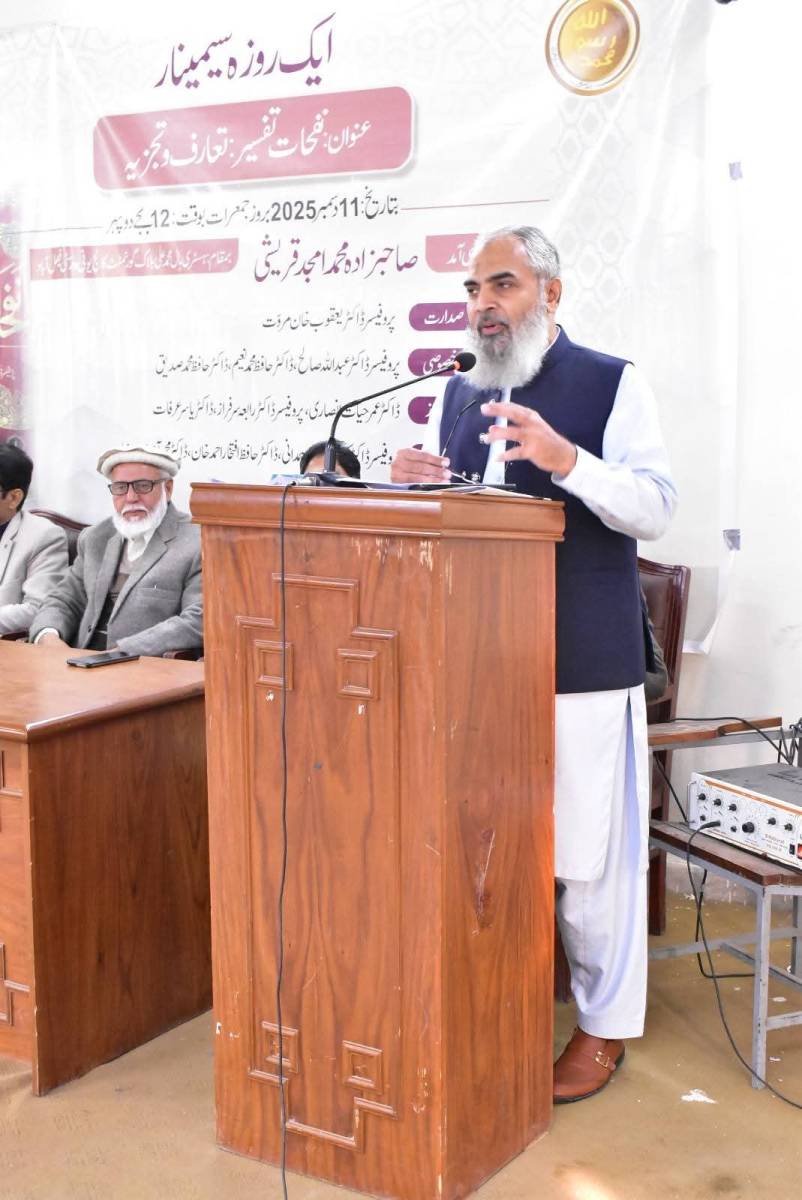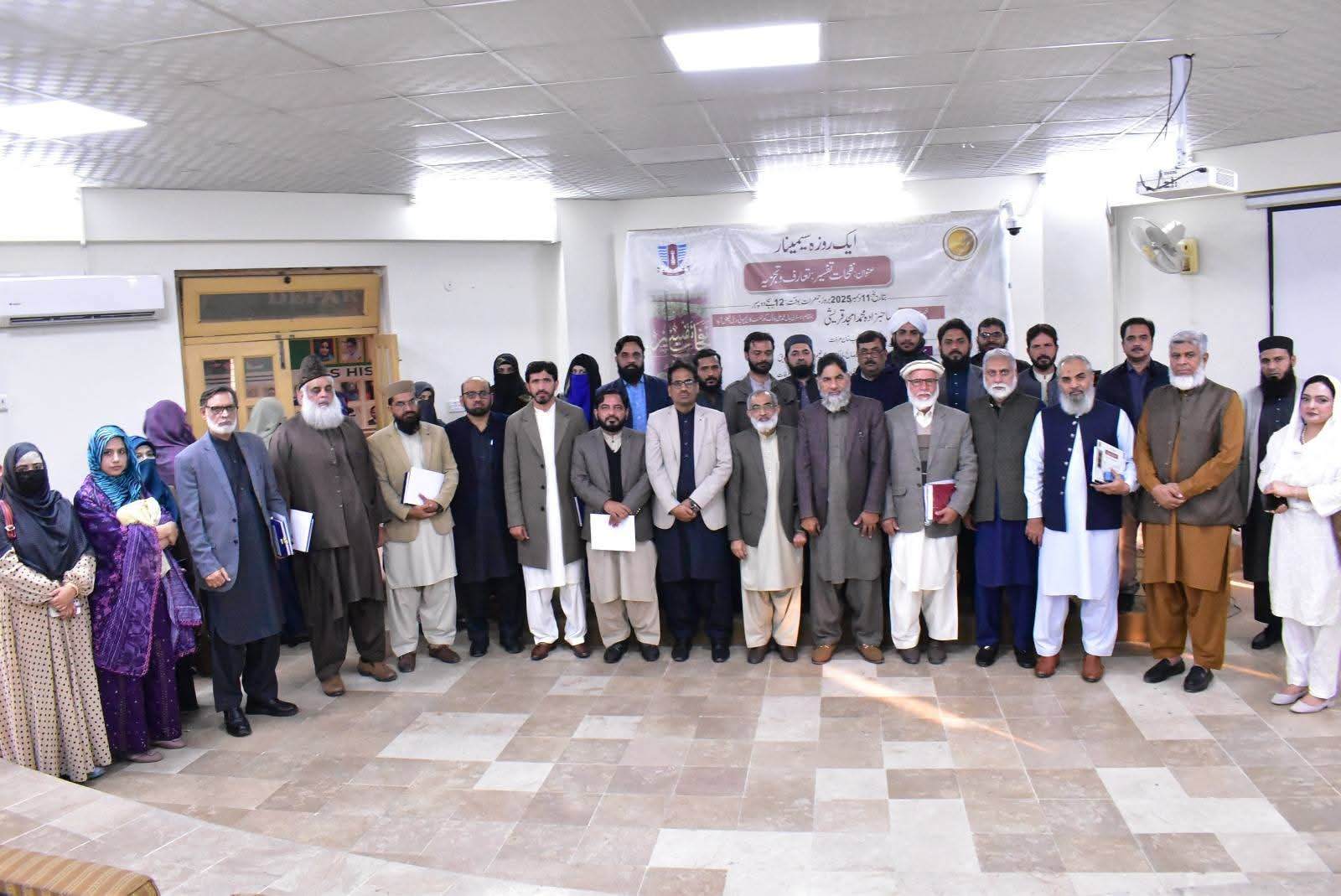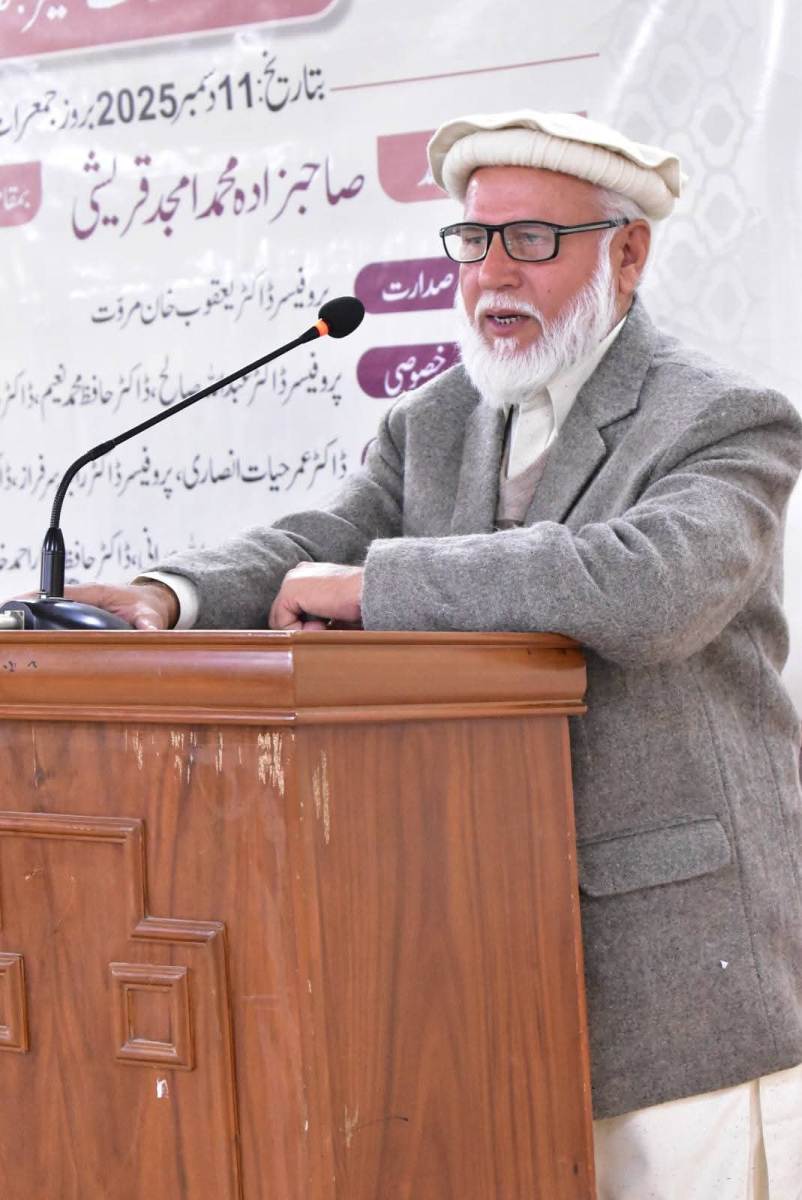
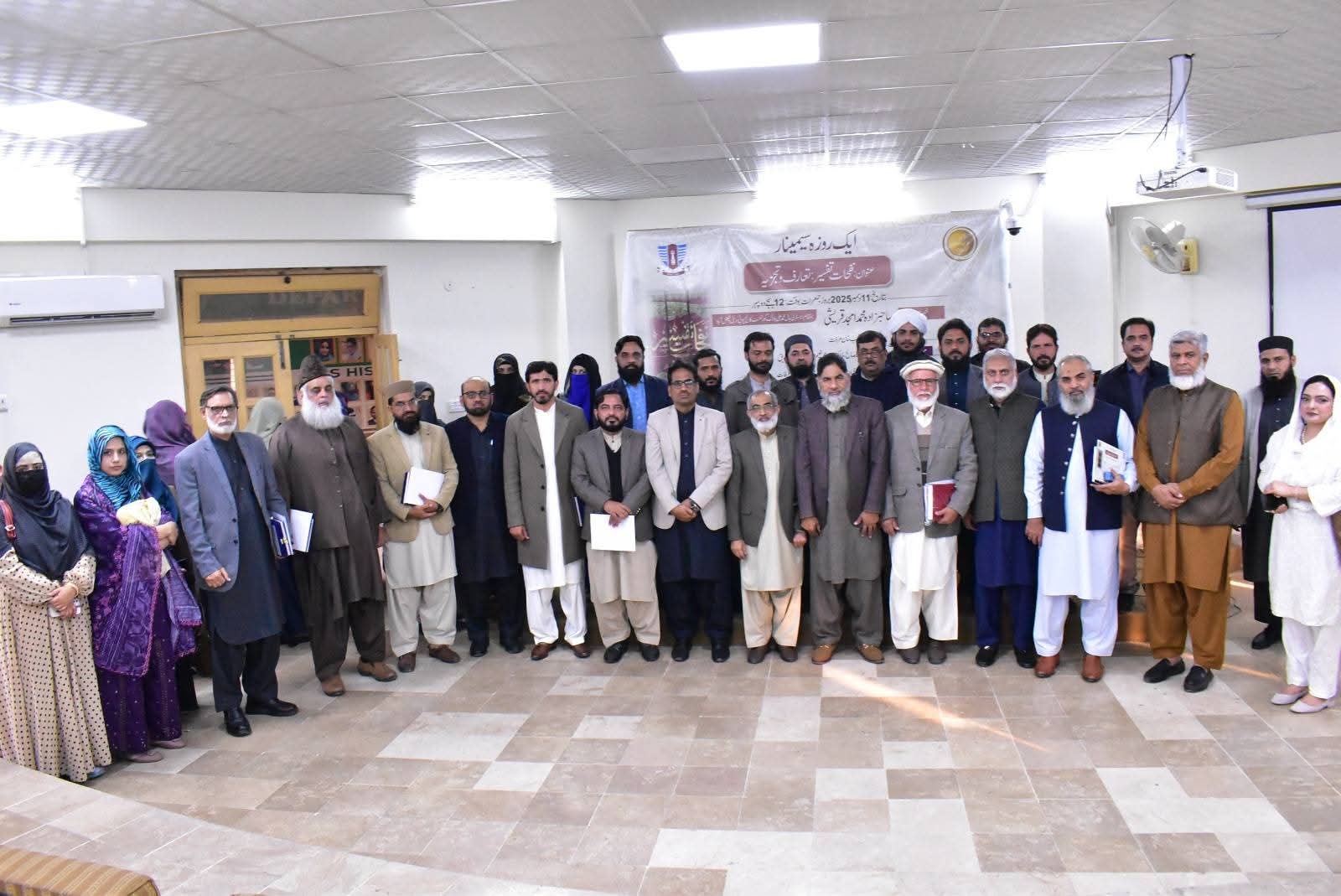
A one-day seminar titled “Nafhat Tafseer: Introduction and Analysis” was organized at Government College University Faisalabad under the auspices of the Rahmat-ul-lil-Alameen Seerat Chair and the Department of Islamic and Arabic Studies. A large number of faculty members and male and female students of the university attended the seminar.
The seminar was chaired by Professor Dr. Yaqoob Khan Marwat, former Dean, University of Peshawar. The chief guests included Professor Dr. Abdullah Saleh, Director, Sheikh Zayed Islamic Center, University of the Punjab, Lahore; Dr. Hafiz Muhammad Naeem, Director, Shazli Tasawwuf Center, GC University Lahore; and Dr. Hafiz Muhammad Siddique, Assistant Professor, International Islamic University Islamabad.
Dr. Umar Hayat Ansari, retired Associate Professor, GC University Faisalabad; Professor Dr. Rabia Sarfraz, Chairperson, Department of Urdu, GC University Faisalabad; and Dr. Yasir Arafat, Chairperson, Department of Islamic Studies, GC University Faisalabad, also participated in the event.
During the seminar, an introduction to Nafhat Tafseer was presented. This work is a compilation of the Quranic lectures of the renowned religious scholar Dr. Ishaq Qureshi, which were broadcast on Radio Pakistan in the program “Qur’an aur Hamari Zindagi”. Mr. Muhammad Amjad Qureshi paid tribute to the scholarly efforts of Professor Dr. Humayun Abbas Shams in compiling these lectures.
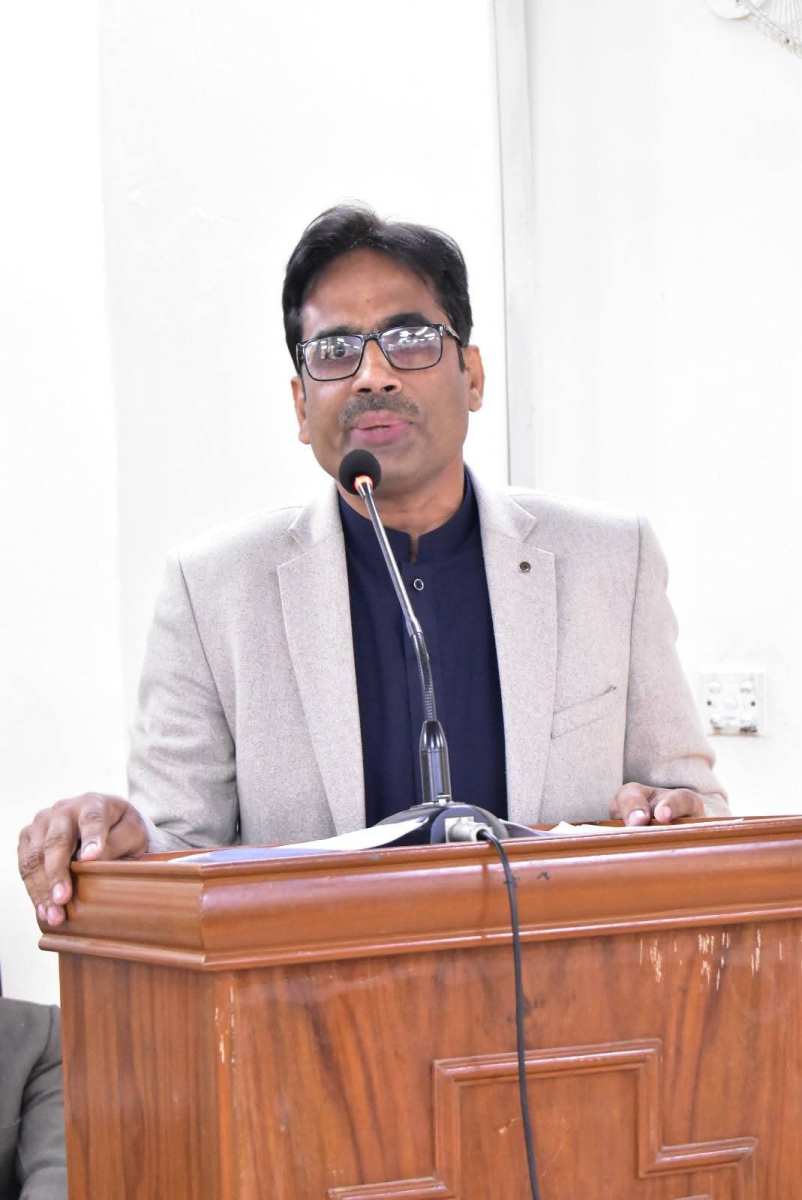
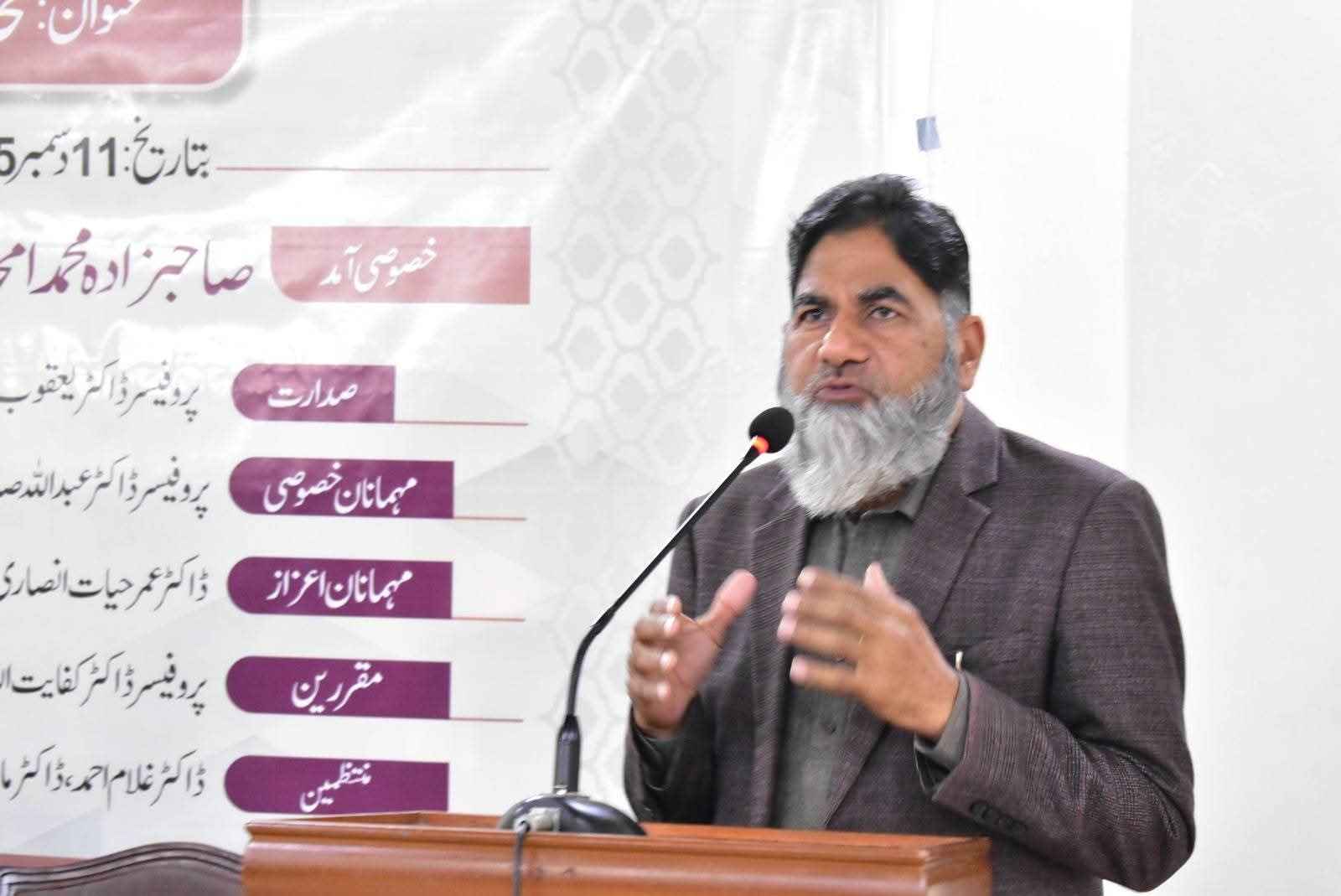
Speakers Dr. Umar Hayat Ansari and Dr. Hafiz Muhammad Naeem highlighted the scholarly and literary qualities of Nafhat Tafseer, stating that it is an excellent example of eloquence, refined word choice, brevity with comprehensiveness, graceful sentence structure, and a simple, accessible, and engaging style of expression. On this occasion, Professor Dr. Abdullah Saleh suggested that the audio recordings of the late Dr. Ishaq Qureshi’s radio lectures should also be compiled and preserved so that future generations may benefit from this valuable scholarly legacy.